When Fraser Valley Climate Action showed up at the Mission Earth Day event this year we decided to focus on a theme. The intersection of affordability and climate action. After a few conversations, and a lot of thoughtful discussions, I realized we had successfully found a theme that people wanted to talk about. For a long time, climate action and finances have been framed as competing priorities. But its not accurate. In many cases, the smartest financial choices are also the best climate choices.
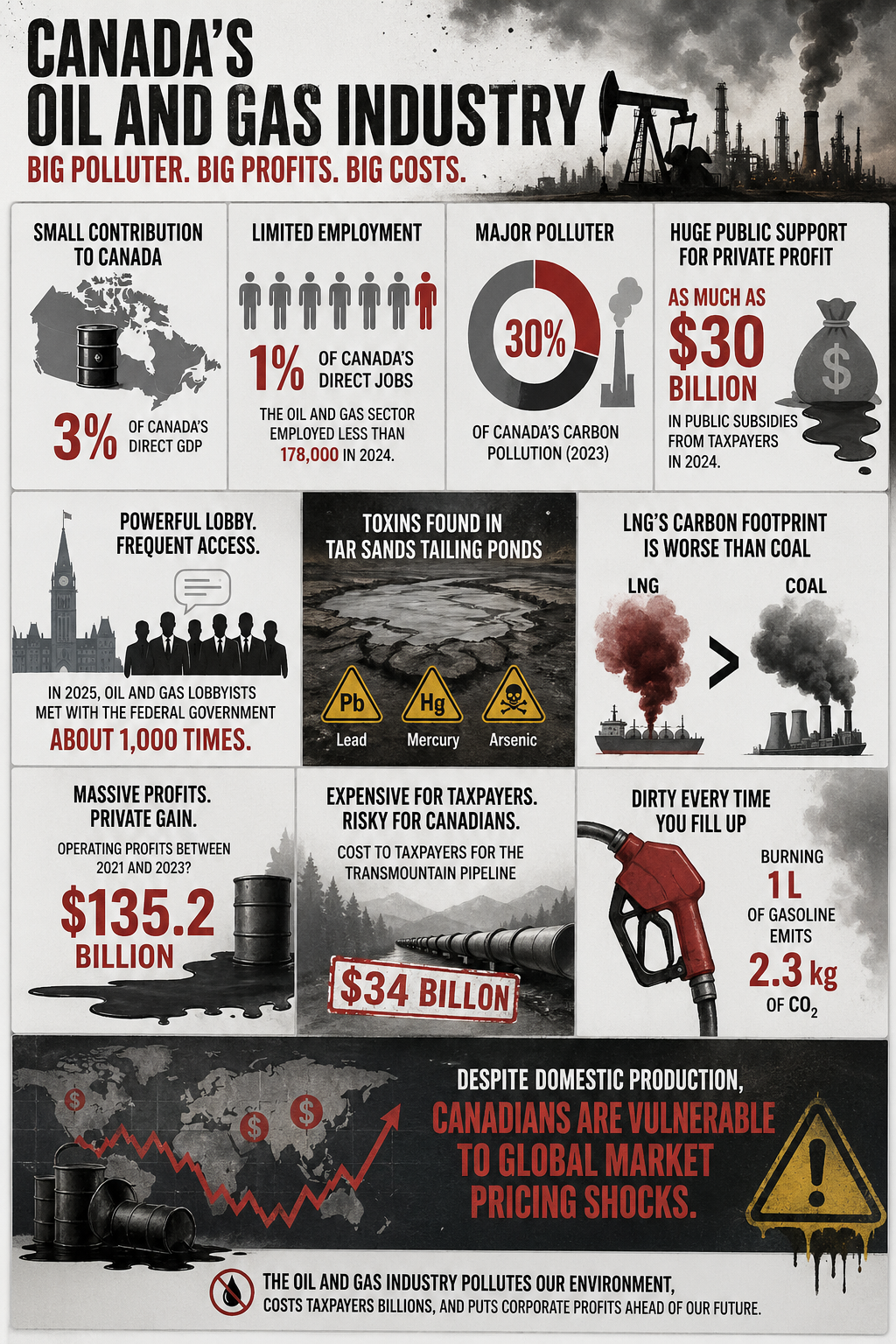
One of the clearest examples of this is misinformation about the Canadian oil and gas industry itself. When you break it down into simple, digestible facts, the story becomes surprisingly straightforward. A relatively small share of jobs and GDP comes from the sector, yet it accounts for a large portion of emissions and receives significant public subsidies. At the same time, it generates massive profits and maintains strong influence through lobbying. This isn’t just an environmental issue, it’s an affordability issue. Taxpayer dollars, exposure to volatile global prices, and long-term environmental costs all add up. Seeing people engage with these facts at the event reinforced how powerful simple, clear information can be. Here is an Infographic on this topic.
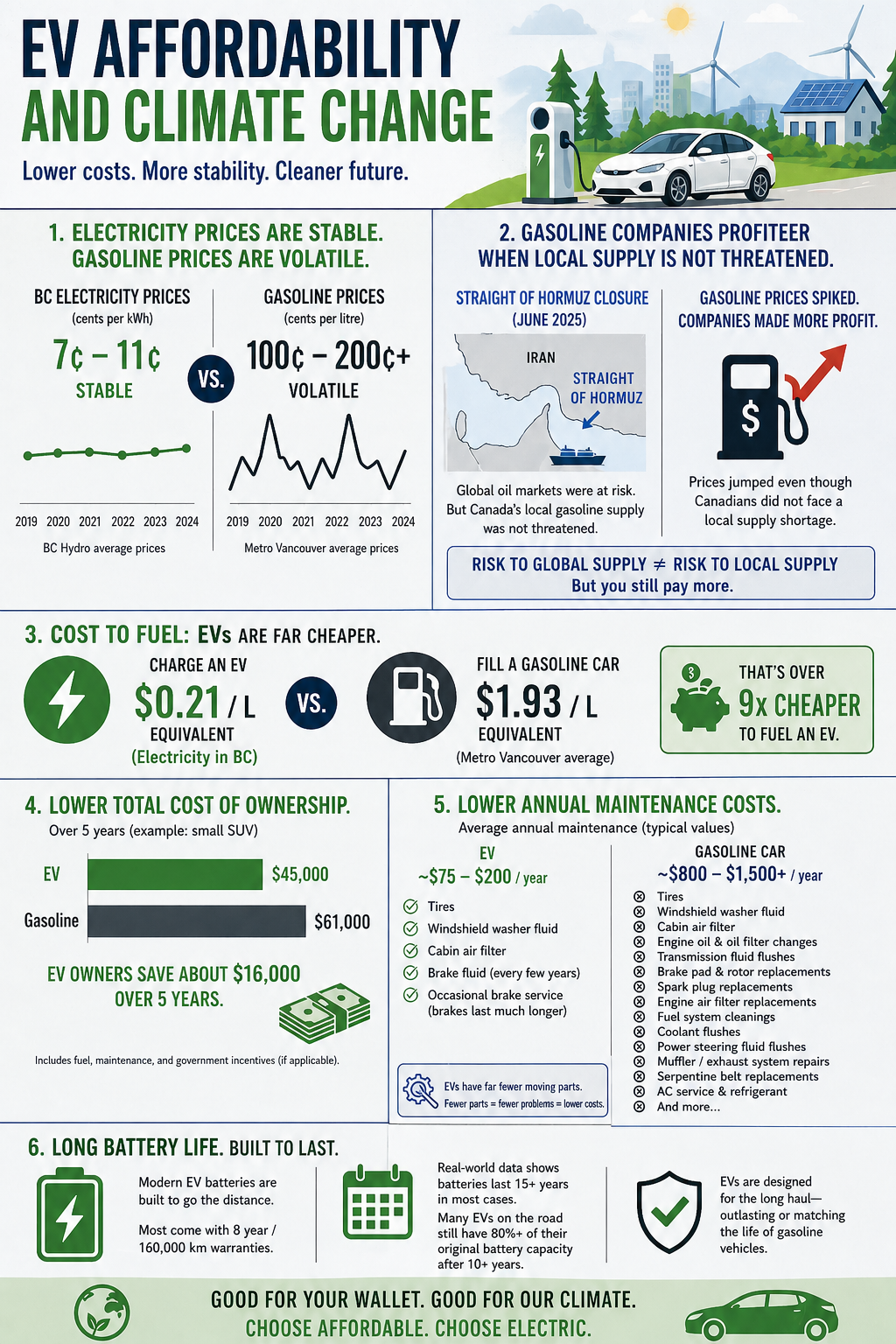
Lots of people wanted to talk about electric vehicles. Many have made the switch, others are excited about upcoming affordable EVs from China. This is where the affordability and climate connection really starts to feel tangible. Electricity prices are relatively stable, while gasoline prices swing wildly. Charging an EV is dramatically cheaper than filling a gas tank, and over time, the total cost of ownership is lower for EVs than it is for equivalent gasoline cars. Maintenance is simpler too. With fewer moving parts, fewer things to break, and fewer surprise expenses. What stood out most in conversations was how practical this felt to people. This wasn’t about making a sacrifice, it was about making a smart, financially sound decision that also happens to reduce emissions and help fight worsening climate change. Here is our infographic for EVs.
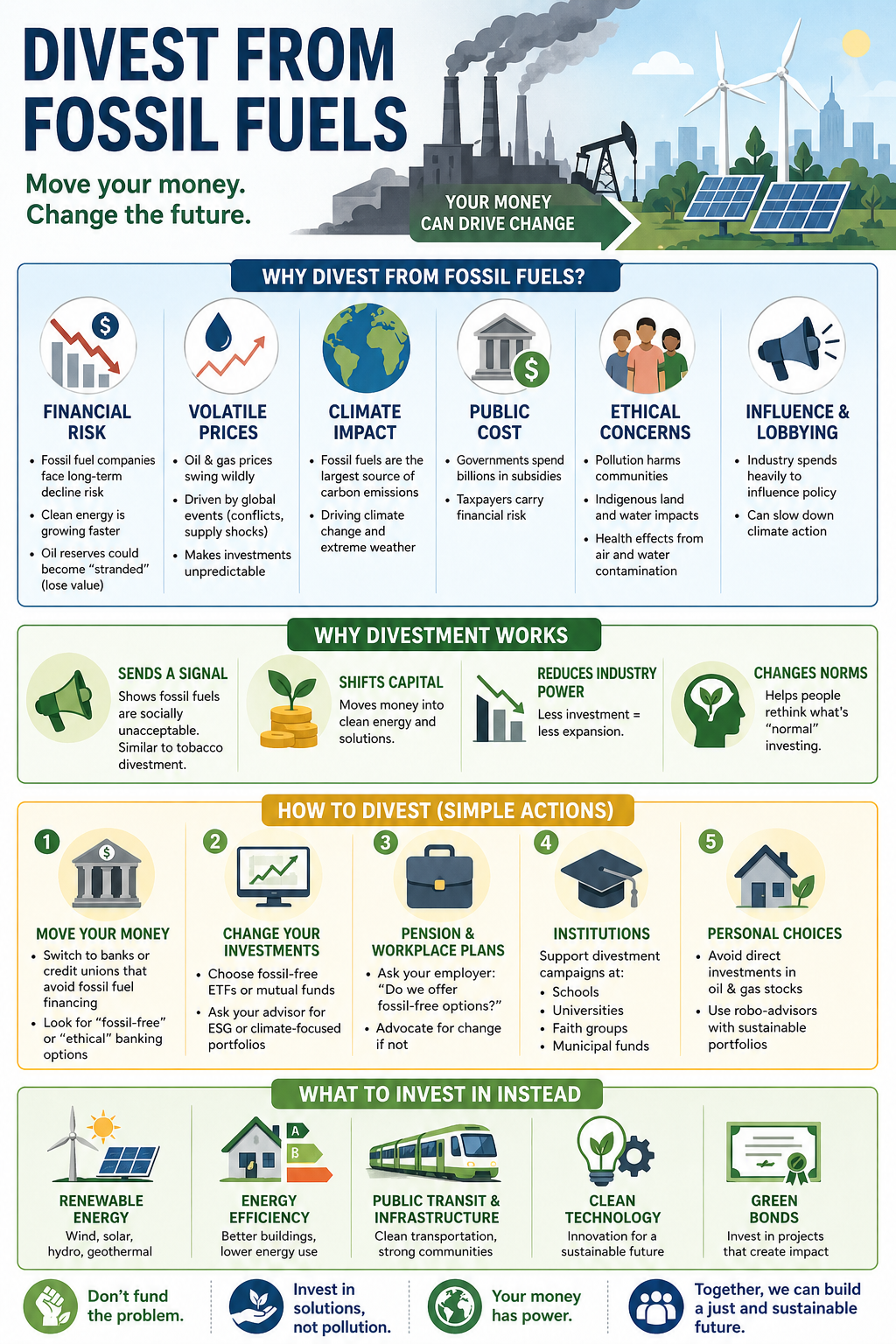
Then there’s the idea of divestment, which can feel abstract at first but becomes powerful when simplified. At its core, it’s about aligning your banking and money with your values. Don’t leave your money with institutions that make loans to oil and gas companies. Fossil fuel investments come with long-term risks, while clean energy continues to grow. Divesting sends a signal, shifts capital, and helps change what we see as “normal.” At the event, people were especially interested in the practical side: what can I actually do? Whether it’s choosing different investment funds, asking questions about pension plans, or moving banking relationships, the steps are more accessible than many people think. Here is our Infographic:
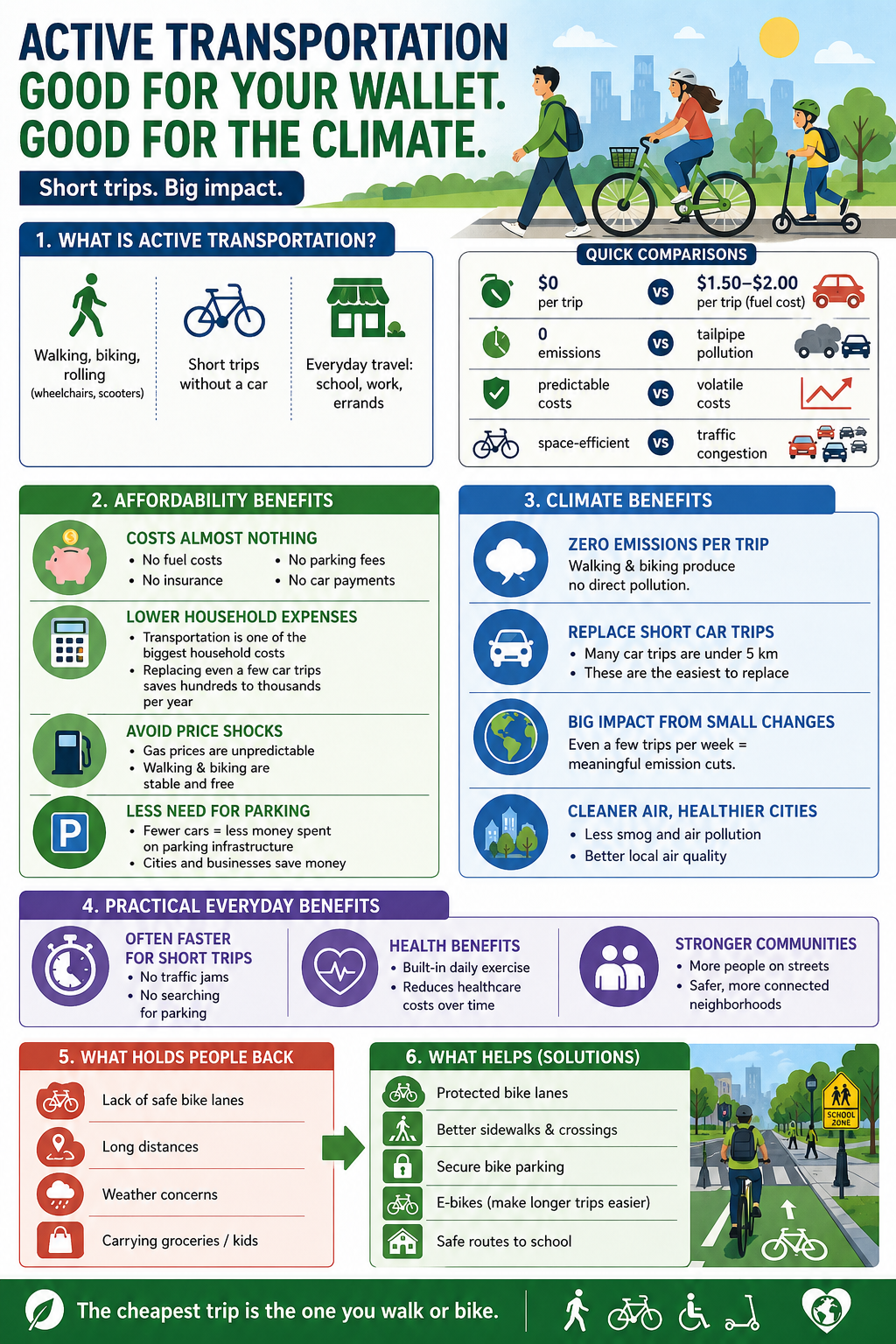
We talked about something that is harder in the Fraser Valley than it is in other urban centers. Active transportation. Walking or biking for short trips is one of the simplest ways to save money and cut emissions at the same time. No fuel, no parking, no insurance, just straightforward savings. And many trips we make every day are short enough that this is a realistic option, especially with better infrastructure. Beyond the financial and environmental benefits, there’s something else people kept coming back to: it just feels better. Less stress, more movement, more connection to your community. It’s a small shift that adds up quickly. We have a lot of catching up to do but can look to Denmark and the Netherlands for inspiration. Here is our Infographic:
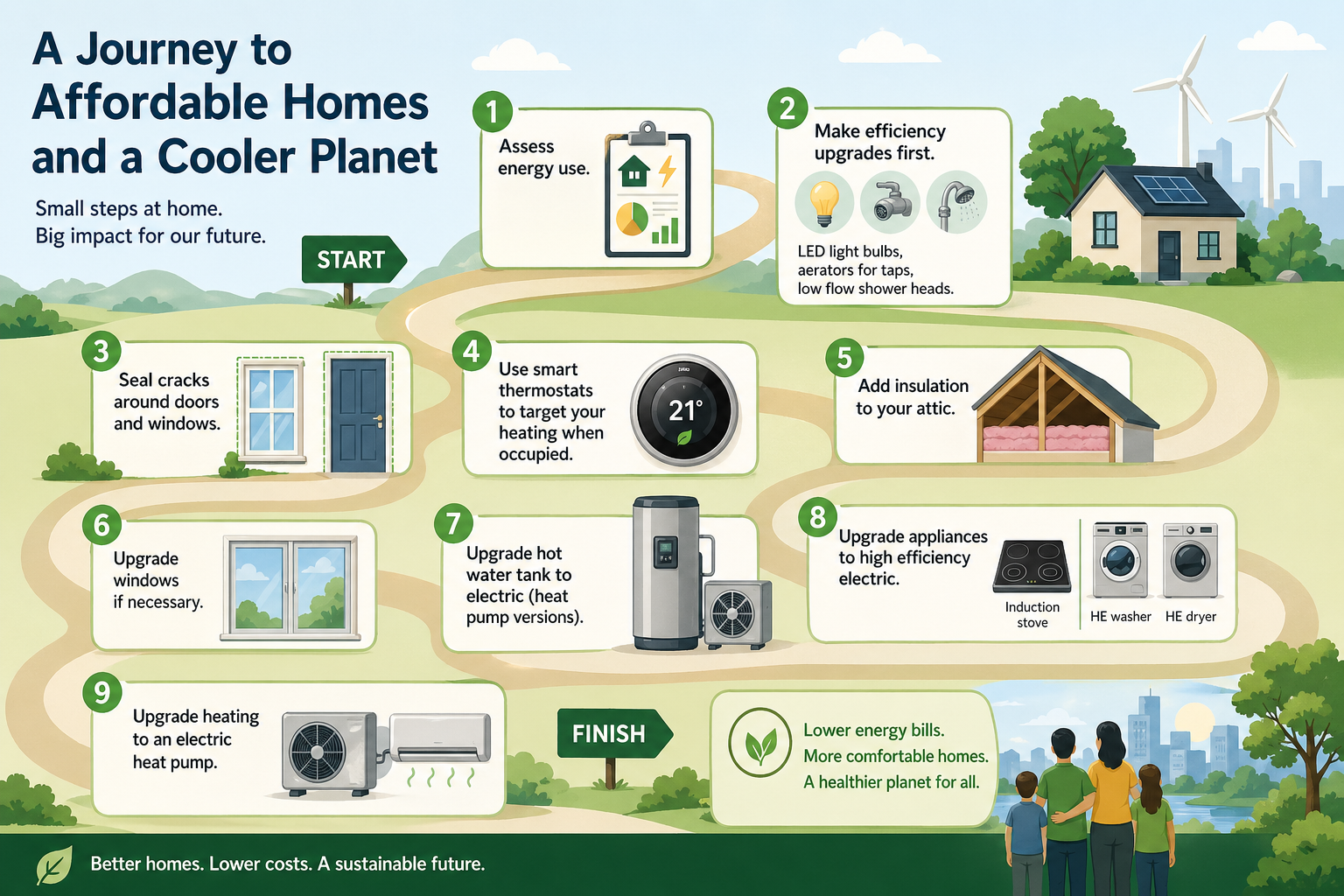
We also talked about what people can do in their own homes to reduce energy costs while improving comfort and safety. While for many, heating with methane gas (“Natural gas”) is the norm, lots of others have made the switch to electric heat pumps and other technology that saves them money and reduces local air pollution. It all adds up. This journey style infographic mirrors our own family’s work to decarbonize while improving affordability.
What stayed with me after the event is how energizing this intersection of topics feels. When affordability and climate action line up, the conversation changes. It becomes less about trade-offs and more about opportunities. There are so many practical, everyday choices that make life a little easier and the future a little better. And judging by the conversations I had, that’s a message people are ready to hear.